Ontario · Critical minerals
The world needs critical minerals. Our ground is in Ontario.
Three of the metals on both countries' critical lists sit in one pegmatite system in northwestern Ontario.
The West is not short of these metals. It is short of places it can mine them.
Cesium, tantalum and rubidium are not rare in the earth's crust. They are rare in friendly jurisdictions, in ground that North America can actually work. That distinction is the entire supply story, and it is why both Ottawa and Washington keep writing the same names onto the same lists.
Get the brief The metals, the supply picture, and where our ground sits. One email address.
The United States mined no cesium at all in 2025. It has not mined tantalum since 1959. Rubidium is not mined for its own sake anywhere: it comes out as a byproduct of pollucite and lepidolite mining, and for 2025 the USGS reported no official sources for rubidium production data at all.[1]
Mineral resources exist globally, but extraction and concentration are mostly cost prohibitive.[1]

None of that is new. What changed is that two governments started writing it down.
Free brief
Get the Ontario critical minerals brief
Six pages, sourced to USGS and Natural Resources Canada. Sent immediately, nothing else asked.
A metal on one list is a national concern. On both, it is a procurement problem.
Lithium, cesium and tantalum appear on Canada's critical minerals list and on the United States list.[1][2] Two governments, working from their own assessments, arrived at the same three names. That is the category where allied supply gets actively sought rather than merely discussed.
Of the 58 mineral commodities included in the Final 2025 List of Critical Minerals (excluding metallurgical coal and uranium), the United States was 100% net import reliant for 13 mineral commodities, and an additional 20 critical mineral commodities (including 14 lanthanides, which are listed under rare earths) had a net import reliance greater than 50% of apparent consumption.[1]
Significant U.S. niobium mine production has not been reported since 1959.[1]
Lists are quiet documents. In August they stopped being quiet.
The metals did not change in August. The conversation about them did.
Canada and United States trade talks collapsed on Friday 21 August, shortly before a midnight deadline. The United States imposed 50% tariffs on roughly $20 billion of Canadian goods the following day, and Ottawa announced matching retaliation to begin on 8 September. On Monday 24 August, Ontario's premier told the Associated Press that everything was on the table, and named high-grade nickel and refined uranium.[4]
Rare earths have owned the headlines this month. They are not the whole story. The metals above are the ones that cannot be produced at all.
The rhetoric is dated to a single week in August. The import reliance the USGS recorded is dated to the year, and it was the same before any of it happened.[1]
Canada was a major supplier of 16 of these mineral commodities, including 4 for which Canada was the leading supplier.[1]
We are not part of any government or provincial programme or stance, and we are not a party to, beneficiary of, or applicant to any of it. The events above are reported by the organisations cited and are provided as context only.
Regardless of the noise, the geology does not change.
Six metals is not six stories. It is one system.
Lithium, cesium and tantalum concentrate late in the evolution of a granitic melt. A pegmatite that has run far enough down that sequence can carry all three, with niobium, beryllium and rubidium alongside them. They are not six separate exploration targets. They are six outcomes of one process, in one system, which is why a single property can sit on two countries' lists at once.
Get the investor deck We will send our news releases when we announce them.
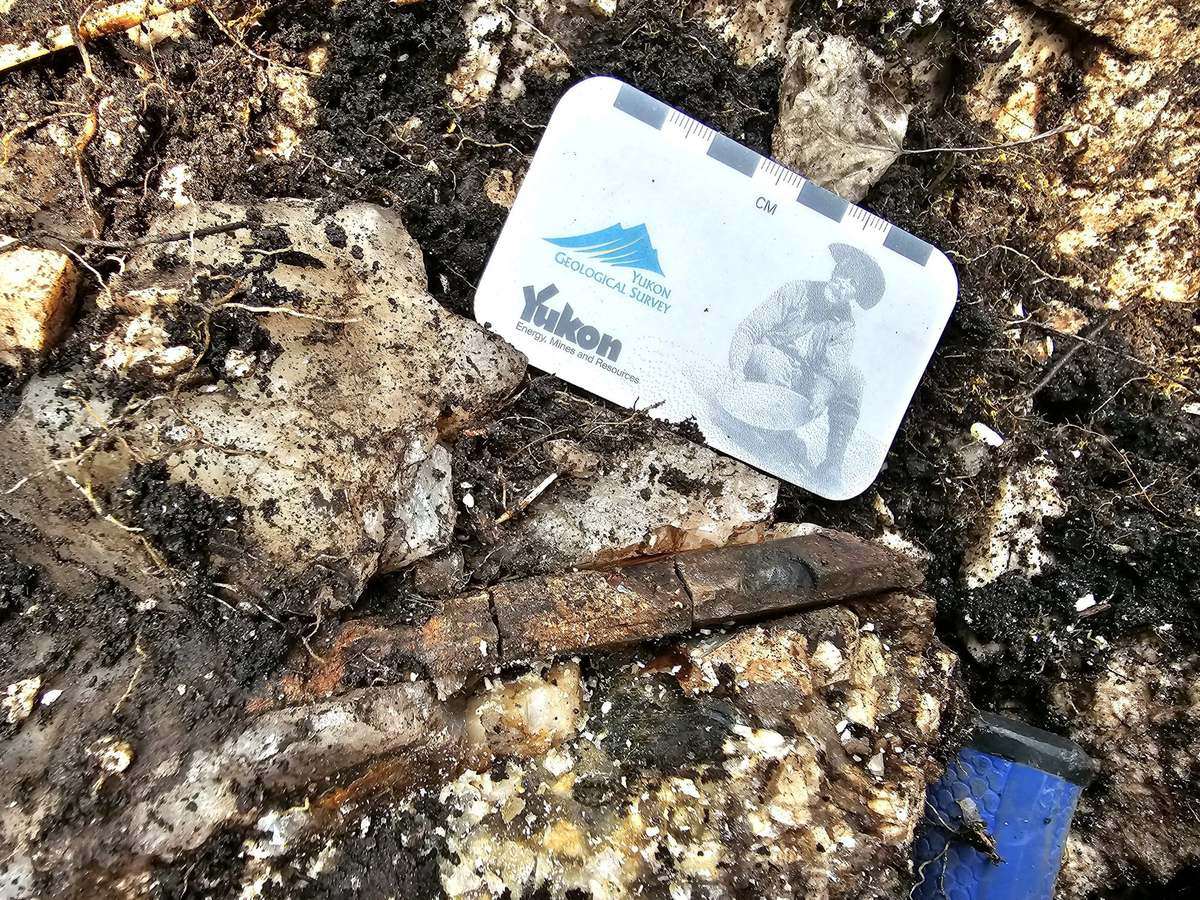
That is the geology. Where it actually outcrops is a separate question, and ours is in northwestern Ontario.
We do not have a resource. We do have the ground, mapped and filed.
White Willow is an LCT pegmatite property in the Thunder Bay South Mining District of Ontario, road accessible, 8 km southeast of Atikokan and 185 km west of Thunder Bay.[3]
No mineral resource has been defined at White Willow and the property has not been drill tested. Work to date is surface mapping, sampling and mineral chemistry, set out in the filed technical report.[3]
- Forty seven confirmed LCT pegmatites mapped at the Maple Leaf showing[3]
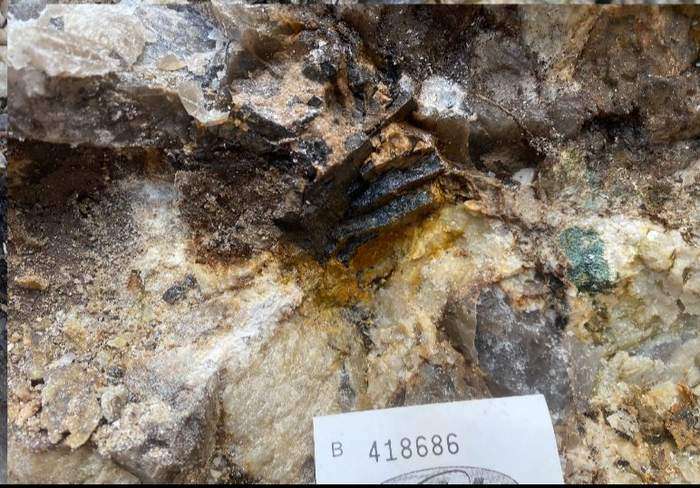
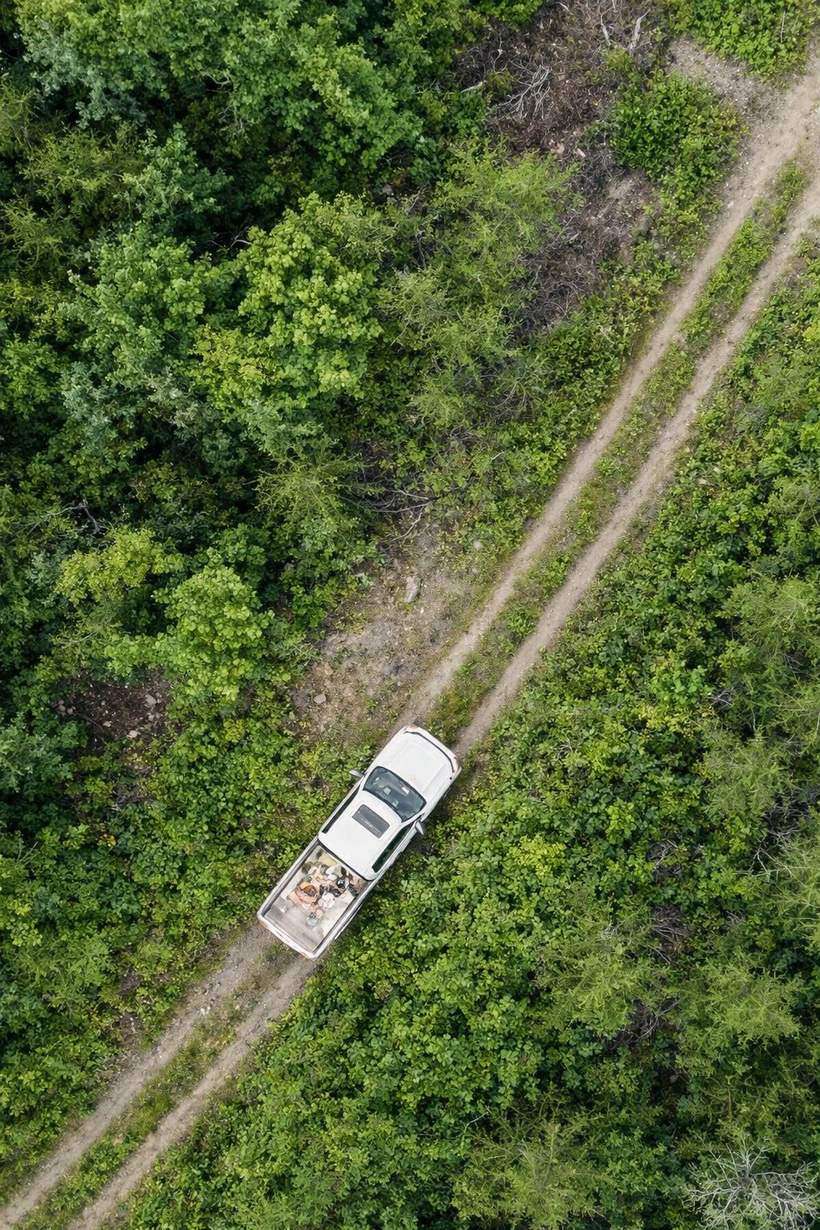
Ontario is one of Canada's most established mining regions. Settled mining law, a contractor base that has done this before, and roads that work in February. That is a different proposition from a fly-in programme with a seasonal window.
Get the investor deck White Willow, the capital structure, and what happens next.
The work is surface mapping, sampling and mineral chemistry, and it is filed.
The news moves. The ground does not.
We do not control the headlines. What we control is where the work is: one Ontario property, mapped, filed, and not yet drilled.
We're not going to tell you what to do with that.
We'll just say the ground is filed, funded and road accessible, and the drill is the next line in the file.
Follow our story
Get the investor deck
White Willow, the capital structure, and what happens next. We will send our news releases when we announce them.
Stay with the story: TSXV: TOTC | OTCQB: TTCRF | FSE: U0Z0
Frequently asked
Is there a mineral resource at White Willow?
Not yet. The work to date is surface mapping, sampling and mineral chemistry, filed in the NI 43-101 technical report on SEDAR+. The next step is the drill.
Is Totec part of any government or provincial programme?
No. Totec is not a party to, a beneficiary of, or an applicant to any federal or provincial programme, stance or negotiating position. Reported policy events are included as context for the metals, not as statements about Totec or the property.
Why does cesium matter?
It is recovered from one ore mineral at commercial scale, the United States mined none of it in 2025, and it appears on both countries' critical minerals lists. Supply sits with a very small number of operations worldwide.
How do I get exposure?
Through Totec Resources shares: TSXV: TOTC, OTCQB: TTCRF, FSE: U0Z0. Nothing on this page is investment advice or an offer of securities. Review the Company's continuous disclosure on SEDAR+ and consult a licensed investment advisor.
Sources
Every numbered claim on this page is attributed to the source it came from. Four sources, cited sixteen times. Each entry below records exactly which statements it supports, so any claim on this page can be checked against the original rather than against us.
- U.S. Geological Survey, Mineral Commodity Summaries 2026, published by the National Minerals Information Center. pubs.usgs.gov Used for: United States domestic mine production and net import reliance for cesium, tantalum, rubidium, niobium and lithium; the 2025 United States critical minerals list; the count of commodities at 100% net import reliance; Canada's standing as a supplier of those commodities; and the four quoted statements, each reproduced word for word from the report. Cited at123456789
- Natural Resources Canada, The Canadian Critical Minerals Strategy. canada.ca Used for: the presence of lithium, cesium and tantalum on Canada's critical minerals list. Cited at12
- NI 43-101 Technical Report on the White Willow Property, Thunder Bay South Mining District, Ontario, filed by Totec Resources Ltd. and available in full on SEDAR+. sedarplus.ca Used for: the location and road access description; the forty seven confirmed LCT pegmatites at the Maple Leaf showing; and the fractionation sequence shown in the diagram above. The report contains no mineral resource estimate and no mineral reserve estimate. Cited at1234
- Contemporaneous reporting, 24 to 27 August 2026: The Globe and Mail; PBS; Mining.com; Global News. Used for: the collapse of Canada and United States trade talks on Friday 21 August 2026; the United States 50% tariffs on approximately $20 billion of Canadian goods imposed the following day; Canada's announced retaliation due to begin on 8 September; and the statements attributed to Ontario's premier in an Associated Press interview on Monday 24 August 2026. Reported events are attributed to those organisations and are provided as context only. Totec is not a party to any of it. Cited at1
Sources are named to identify where the information came from. Their inclusion does not indicate any affiliation with, sponsorship of, or endorsement of Totec Resources Ltd. by the organisations cited, or by the governments of Canada, Ontario or the United States. Third-party and policy statements describe the metals and reported events. They are not statements about Totec Resources Ltd. or the White Willow Property.
Totec Resources has no mineral resource estimate and no mineral reserve estimate on the White Willow Property, and the property has not been drill tested. Nothing on this page should be read as a statement that mineralization of economic value has been identified.
The scientific and technical information on this page has been reviewed and approved by Deepak Varshney, P.Geo, CEO and Director of Totec Resources, a Qualified Person as defined by National Instrument 43-101.
This page contains forward-looking information within the meaning of applicable Canadian securities legislation, including statements about planned exploration on the White Willow Property. Forward-looking information rests on assumptions about financing, access, permitting and the results of future work, and is subject to risks including the speculative nature of mineral exploration, commodity price movement and changes in policy. Actual results may differ materially, and the Company undertakes no obligation to update forward-looking information except as required by law. Nothing on this page is investment advice or an offer of securities. Review the Company's continuous disclosure on SEDAR+ and consult a licensed investment advisor.